Keiji Ito & Elias Saile
Keiji Ito & Elias Saile
6 March–18 April 2026
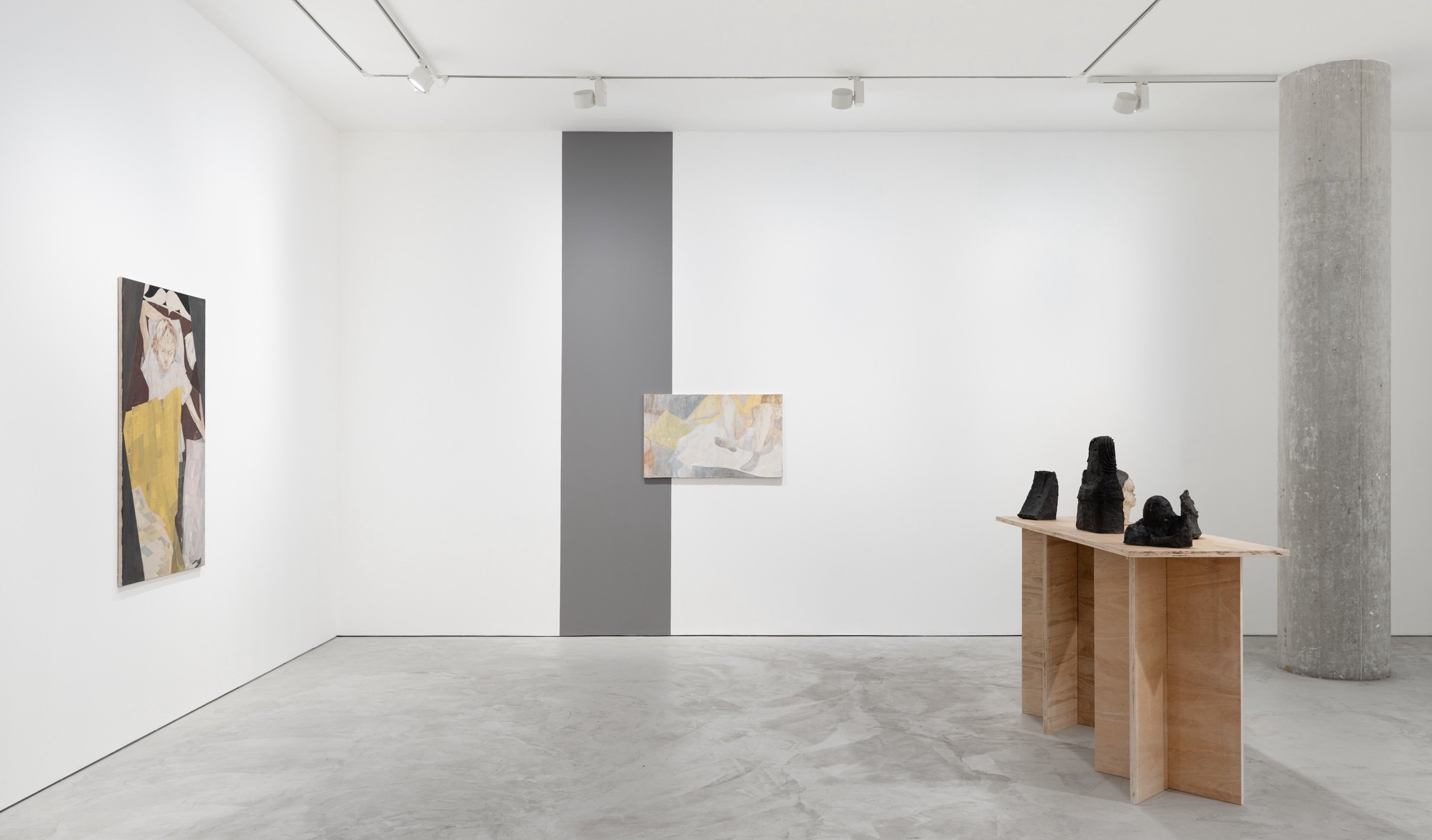
Maximillian William is pleased to announce an exhibition that brings together the work of ceramicist Keiji Ito (b. 1935) and painter Elias Saile (b. 2001). Although born decades and continents apart, Ito and Saile share earthy palettes and sympathetic visions of the human face and figure. The exhibition aims to generate surprising juxtapositions and connections across cultures and generations and marks the first time that both artists will exhibit in the UK.
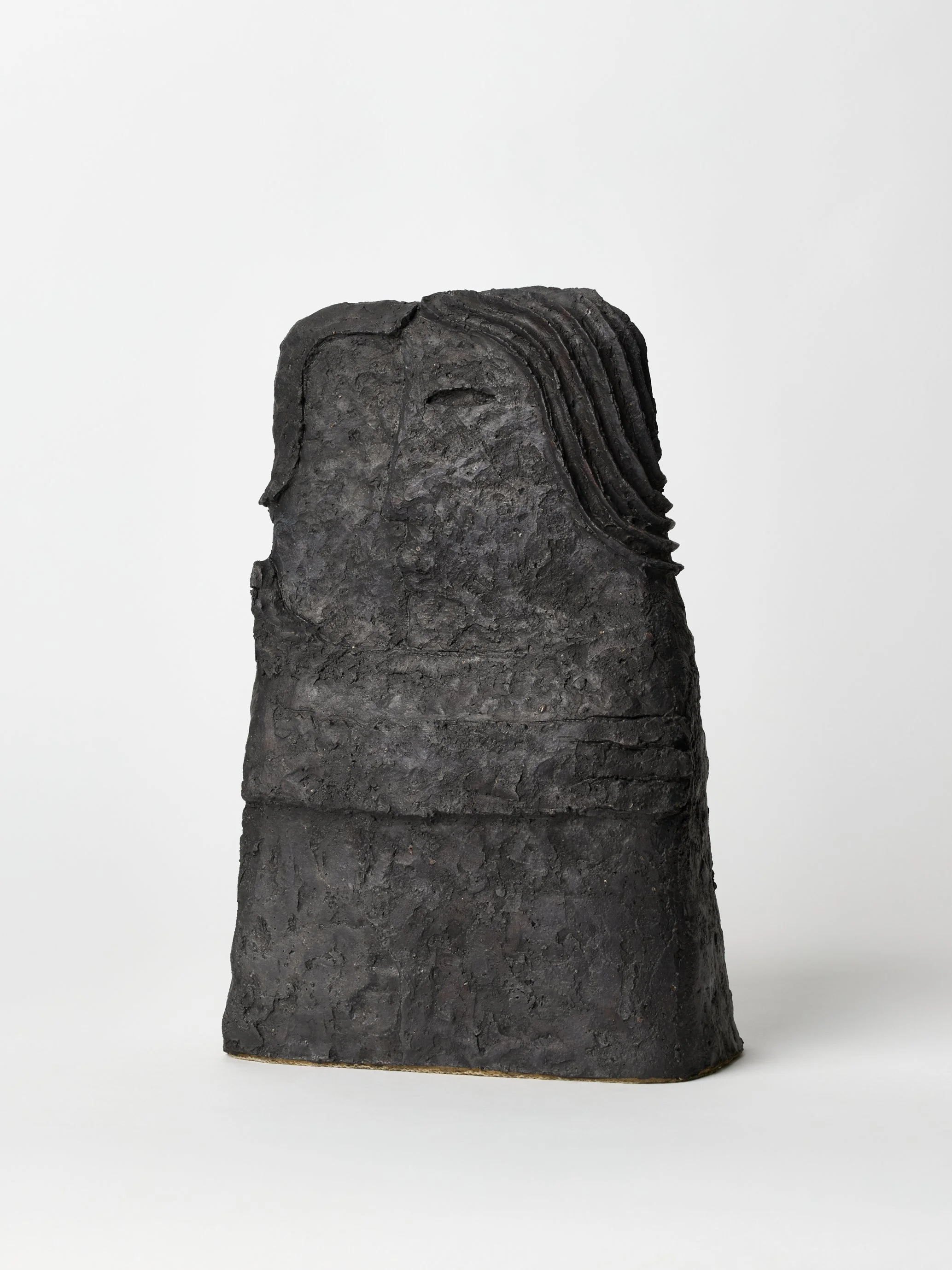
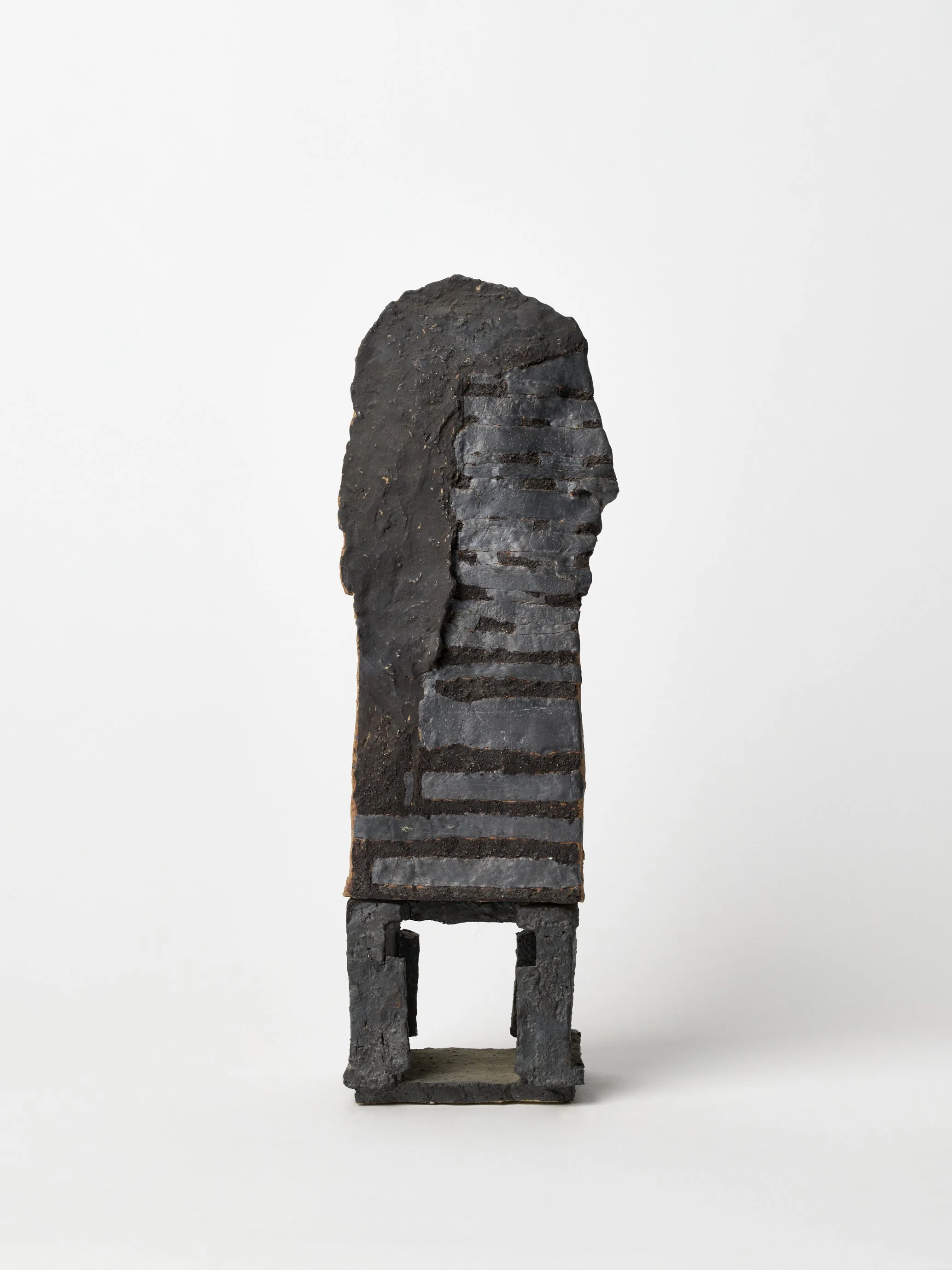
Based in Gifu Prefecture, Japan, Keiji Ito is both a painter and a master ceramicist. As a student, Ito was inspired by Buddhist figures from the Asuka period (592–710 AD) as well as modernist painters Amedeo Modigliani, Pablo Picasso and Paul Klee, and these influences are still visible in his work today. In both traditions, faces are often wrought with the simplest of means, with eyes and mouths delineated with spare, simple lines. Ito’s Girl (2024) expresses a mischievous pride, while his Face (2022), part of an ongoing series, evokes both neolithic and modernist sculptures. The calm, upturned countenance recalls elemental depictions of the human spirit, from the 5000-year-old terracotta figures, The Thinker and the Sitting Woman, discovered in Romania in the 1950s, to the repose of sitting Buddhas, as well as cornerstones of modernism, such as a Danaïde (1918) by Constantin Brancusi. The subtleties of surface and form express a sense of timeworn serenity and introspection, allowing space for the viewer’s imagination to roam.
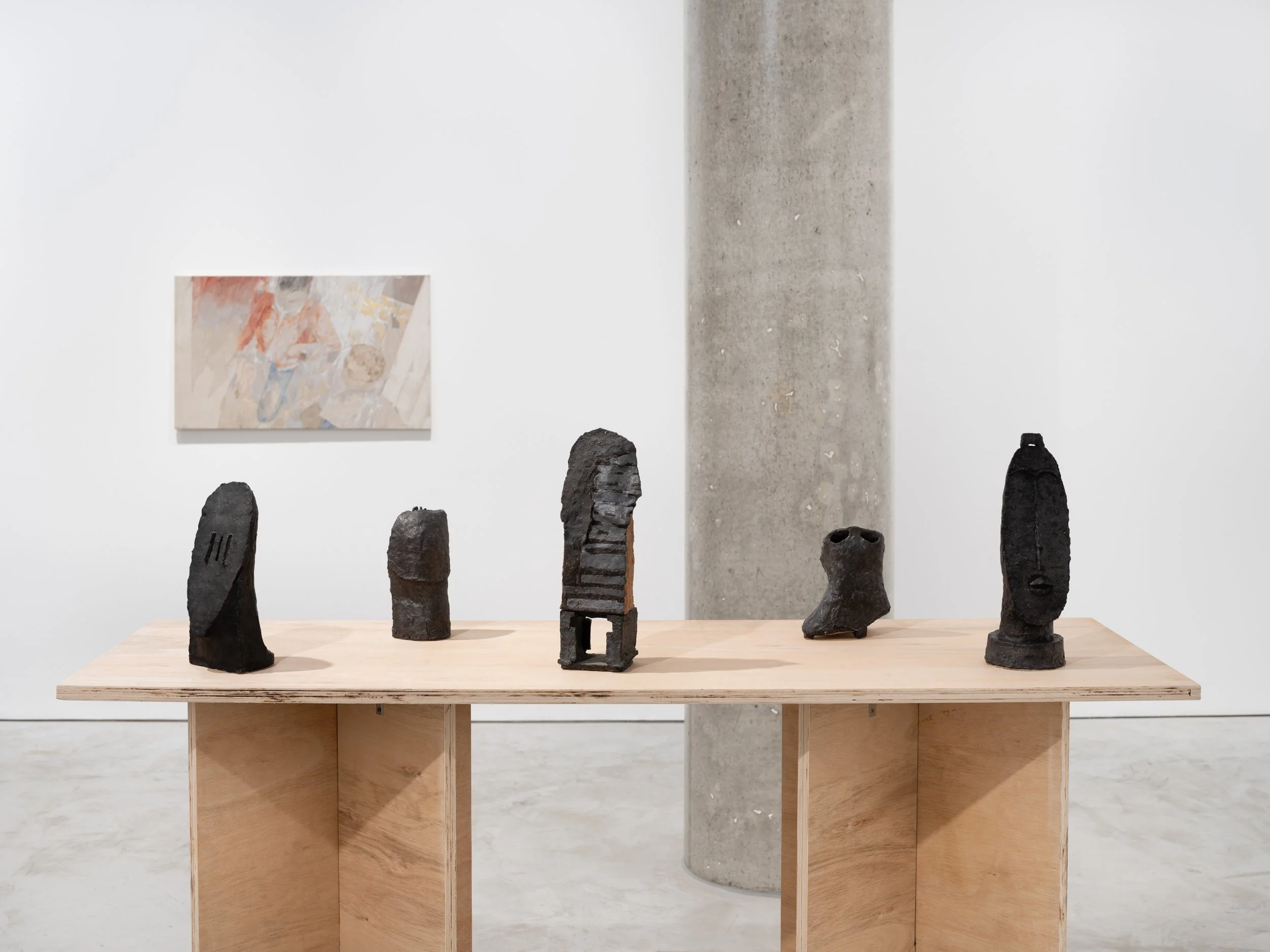
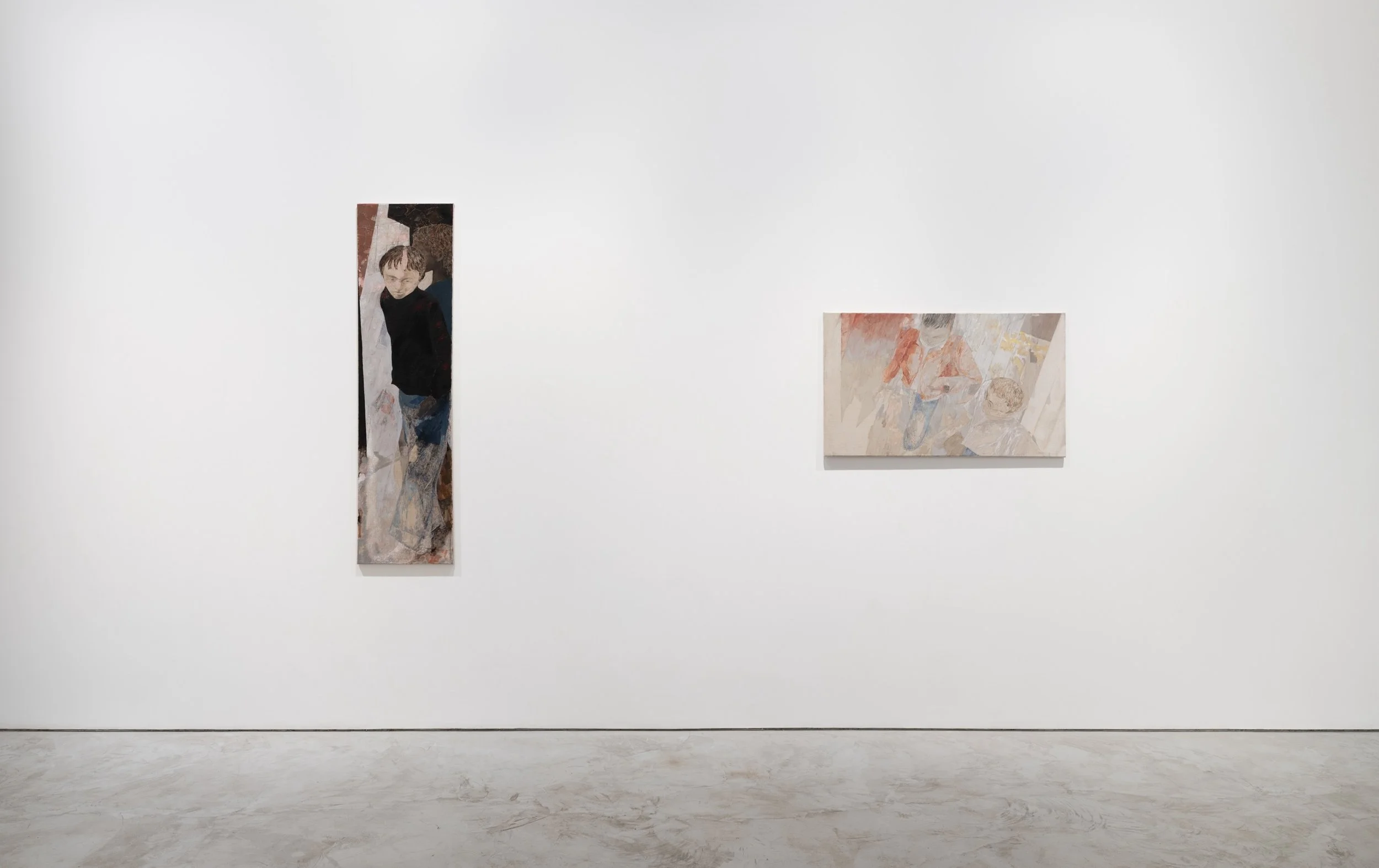
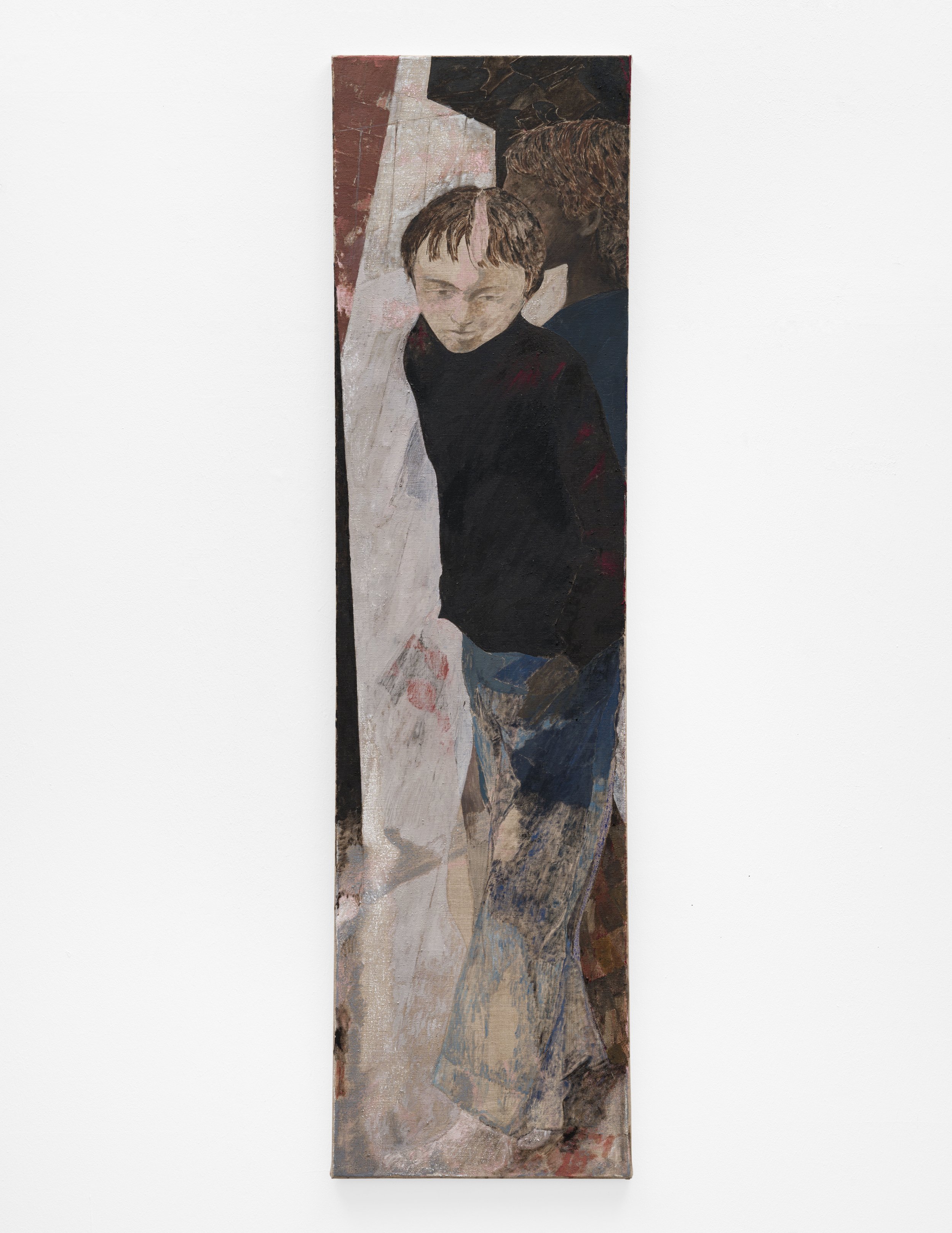
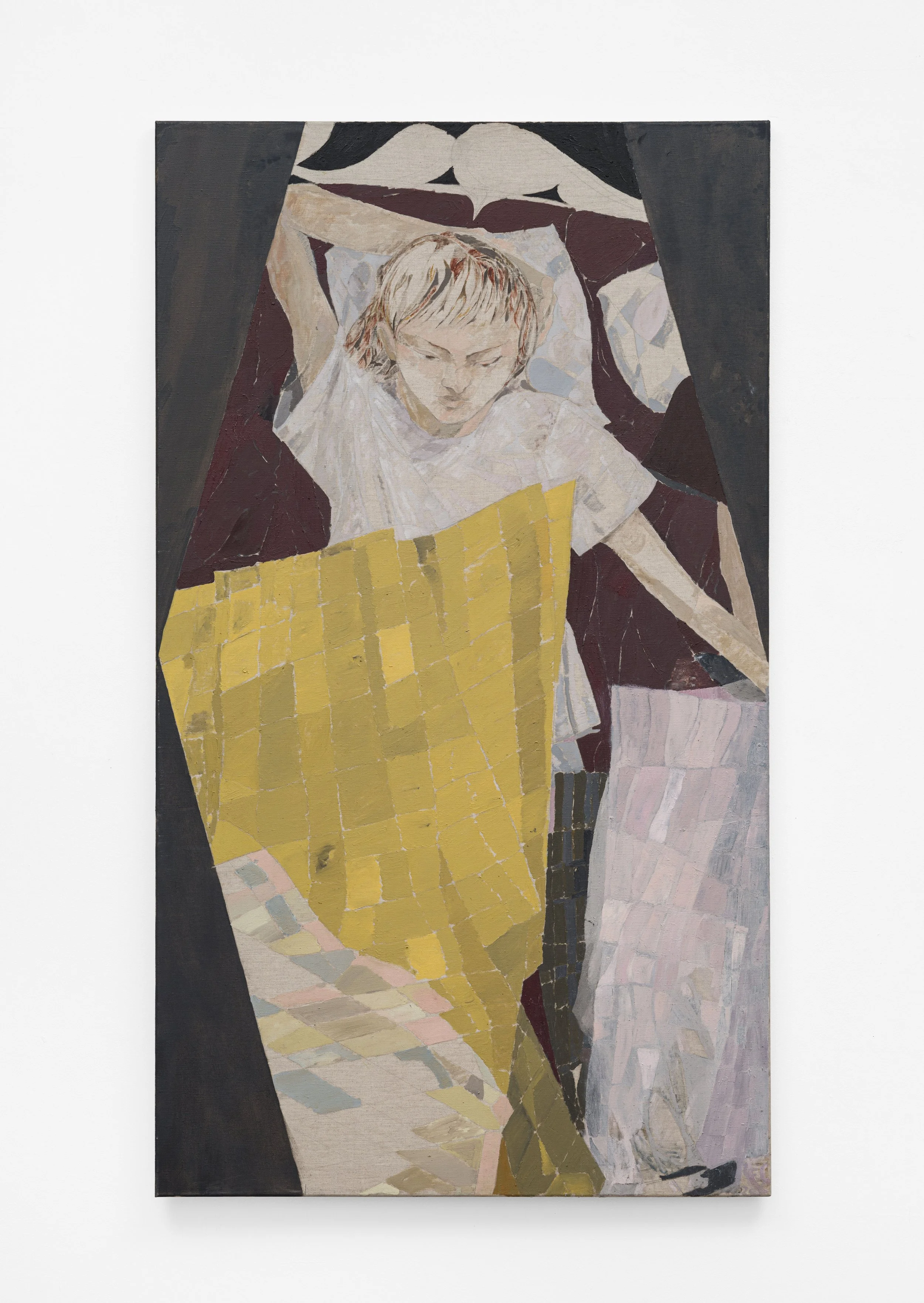
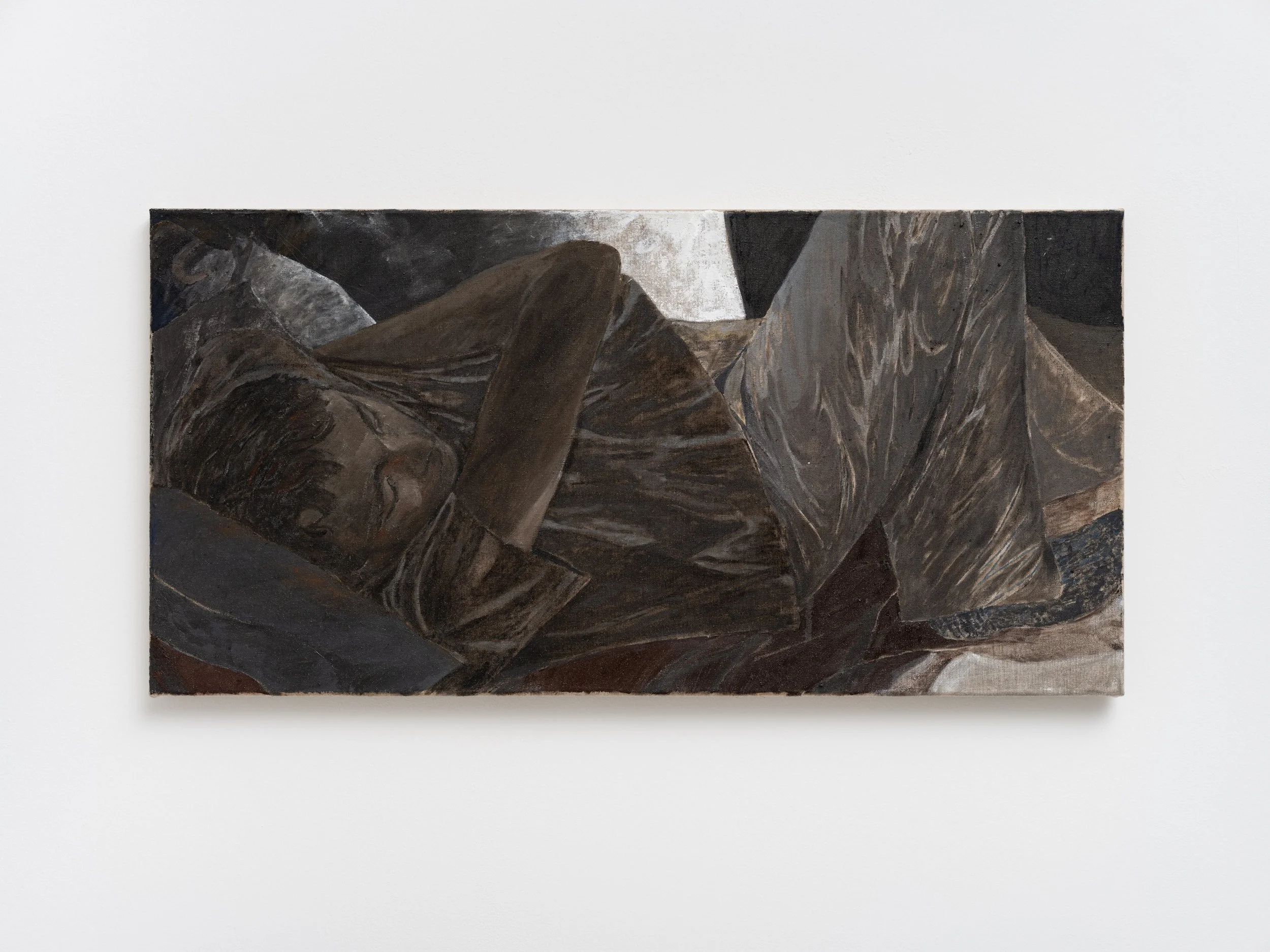
Based in Leipzig, Elias Saile paints his young, androgynous figures with similarly calm, open expressions. Saile admires near-contemporaries Kai Althoff and Yu Nishimura, as well as predecessors such as the Swiss painter Otto Meyer Amden, and Japanese-American artist Miyoko Ito. Saile often uses long, narrow canvases in either portrait or landscape orientation, a compositional effect that for the artist reflects how our imaginations are composed of countless snippets and fragments, with everything from our closest friends to faraway art apprehended through small screens. Likewise, there is a sense of hiddenness or mystery in the work, as in Untitled (2025), in which two standing figures occupy a tall, narrow canvas. While one figure turns his face toward the viewer, the face of the other is obscured. Any intimacy must be hard won, with Saile’s almost expressionless faces tilted downwards or to the side, their thoughts available to a viewer only through acts of engaged imagination.
Both artists are able to conjure figures and faces that are as spectral as they are tactile, inviting the viewer to join them in their timeless reveries. The mood of the exhibition is one of quiet introspection, from the stone age to the screen age, allowing viewers to reflect on our shared sense of humanity, and the crucial importance of preserving our inner lives.
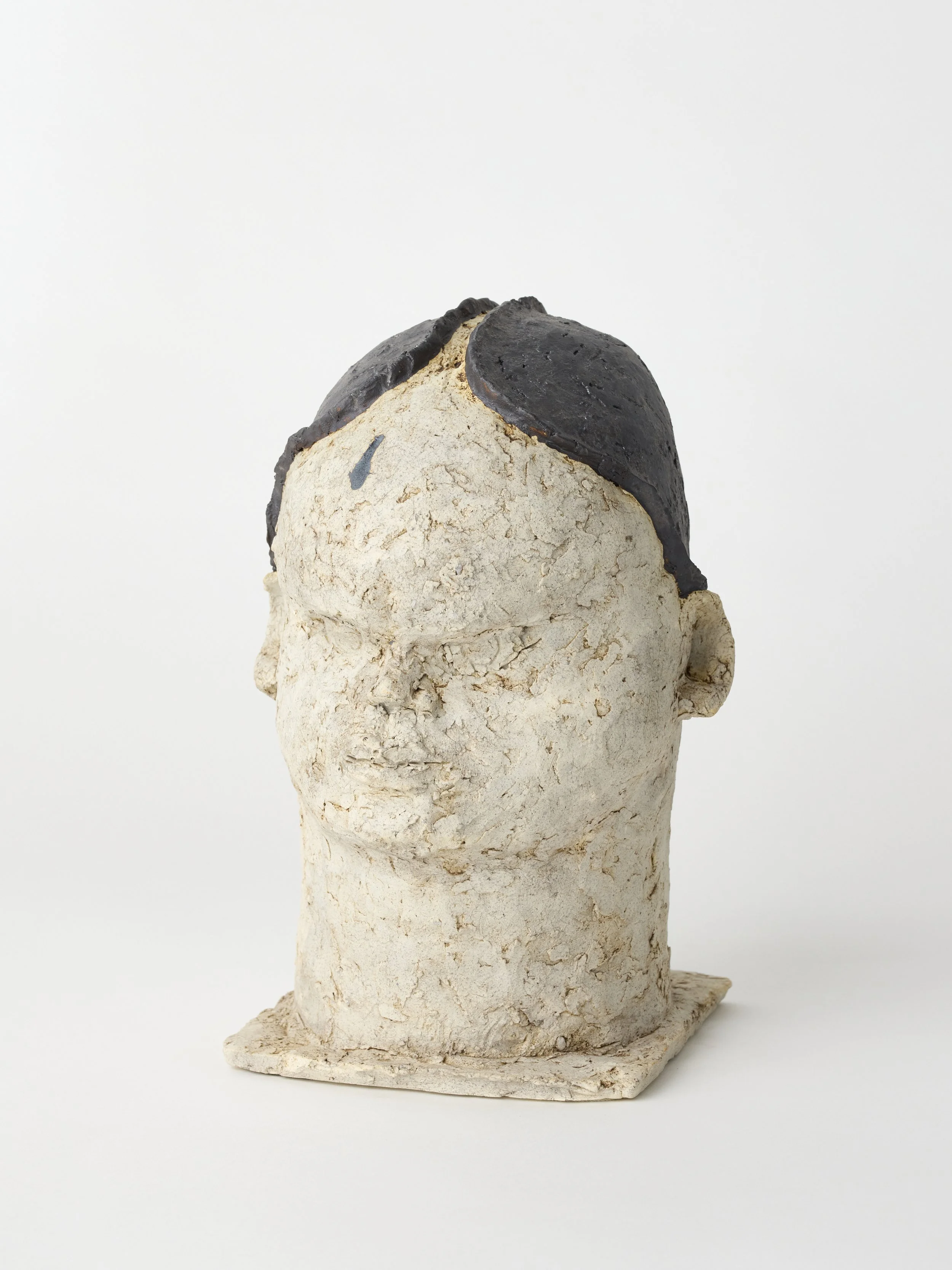
Keiji Ito (b. 1935) was born in Toki, Gifu Prefecture, a historic centre of Japanese ceramic production. He trained as a painter at Musashino Art University before joining the design department of the Gifu Prefectural Ceramics Research Institute. He later began producing ceramic works himself, establishing a practice that encompasses both ceramics and painting, to which he remains actively dedicated at the age of 90. Ito’s work has been presented widely across Japan, Europe and the United States, including a solo exhibition at the Museum of Modern Ceramic Art, Gifu; a touring presentation at the Hetjens-Museum, Düsseldorf (also travelling to Hannover and Lausanne); and most recently the solo exhibition Humans and Expression at kaufmann repetto, Milan. His works are held in public collections internationally, including the National Museum of Modern Art, Kyoto; the International Museum of Ceramics, Faenza; the Everson Museum of Art, New York; and the Musée Ariana, Geneva.
Elias Saile (b. 2001) lives and works in Leipzig, where he is completing his studies in painting at the Academy of Fine Arts. Previous solo shows include […], […] at Paulina Caspari, Munich, 2025, and Liebe Auch at Beacon, Munich, 2024.